




267010
All for gymnastics
The origins of artistic gymnastics date back to ancient times; there is evidence of the discipline having been practised in China, Egypt and Greece.
The first modern forms of gymnastics (both floor exercise and with apparatus) were developed in nineteenth-century Europe.
Several gymnastics schools were established in Italy at the turn of the 1800s, and the Italian Gymnastics Federation was founded in Venice in 1869.
Practised by both men and women, this sport requires a great deal of effort, constant training, balance and muscular strength. In order for athletes to carry out the various exercises safely, gyms must be equipped with suitable, robust and durable artistic gymnastics equipment.
267010



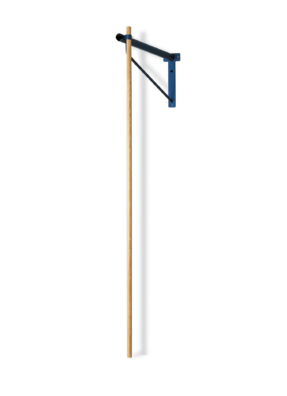
Gymnastics is largely practised during school PE lessons. Children therefore come into contact with the sport at a very young age, so it is important that they learn all the activities that form part of gymnastics in a totally safe environment.
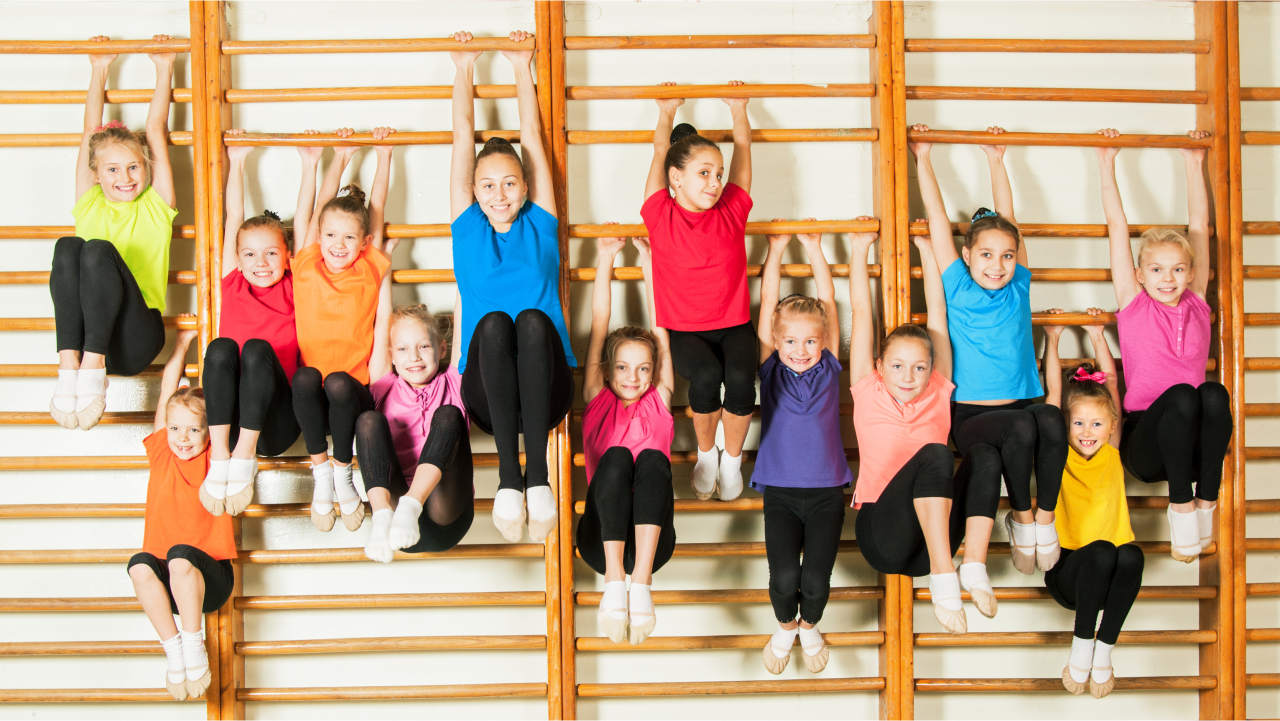
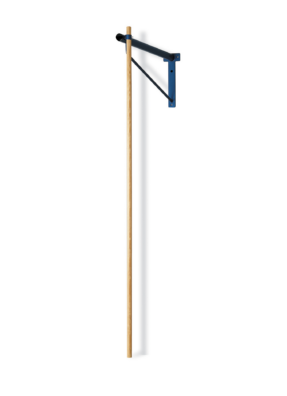
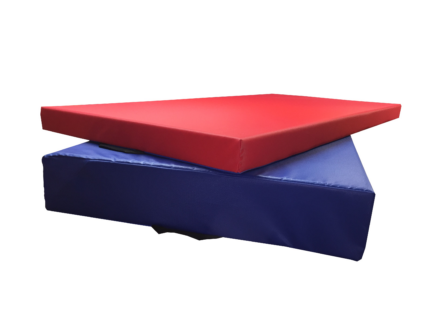
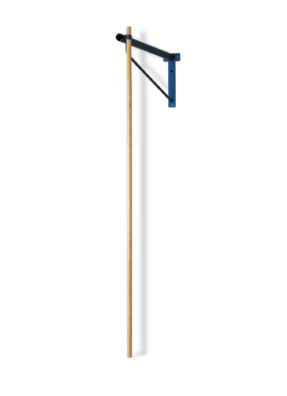
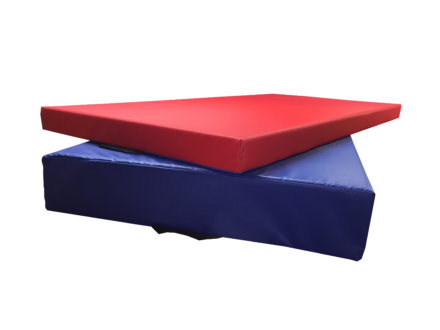
To ensure a gym is fully set up for gymnastics, certain equipment is required. This includes the Swedish ladder/wall bars, parallel bars for artistic gymnastics a pommel horse with handles, and springboards.
Another must-have piece of equipment for artistic gymnastics is the beam, a fundamental tool to improve balance and learn the splits, cartwheels, handstands and various other acrobatic moves.
Dance classes of all kinds are often held in gyms, so it is important that the room is fitted with mirrors to allow students to observe their own form.
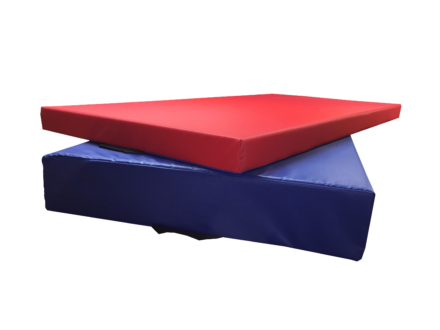
In addition to equipment for artistic gymnastics, Artisport offers a wide range of equipment for rhythmic gymnastics such as sticks, hoops, clubs, mats and balls.
Our catalogue also features equipment for aerobics, dance and Pilates.